
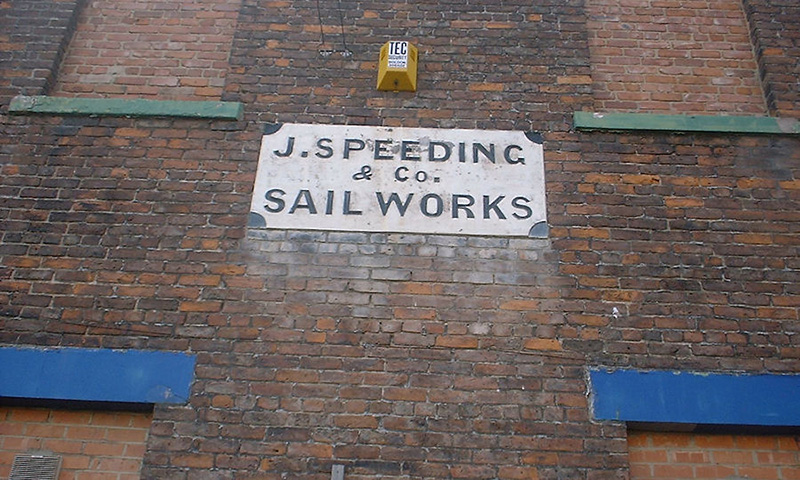
Speedings is one of the oldest surviving companies in Monkwearmouth, Sunderland, England. James Speeding & Co. was established as ships’ Merchants. Wearside proved the ideal location for such an enterprise at this time with its ever increasing shipbuilding and repair yards.
By this time, the firm had become well established and had taken over Whickham Street school buildings in Monkwearmouth for their businesses.
Originally Mr Thomas Speeding was a ship owner associated with Speeding Marshall and Co. of Newcastle, but in 1913 he joined the family business of James Speeding and Co. and then became Speedings Ltd.
Speedings remained a family business until this time, when the firm amalgamated with another local company called Davidson Hoseason who were well known for making and hiring tents. The outbreak of the First World War, July 28th, brought the company extra work. As well as providing goods for the Royal Navy and the Merchant Fleet, they supplied new lines such as, webbing belts made of strong woven fabric and canvas kit bags.
A Sunderland businessman, former town councillor and magistrate, Mr Thomas Speeding of Southcliffe Roker, died on Saturday June 12th, ages 81 years old. He was actively connected with the Sunderland sail tent and life belt making company of Speedings LTD, until approximately 5 years ago.
The Second World War on September 1st, brought a further increase in the output.
Mr William Rodgers became Director for Speedings.
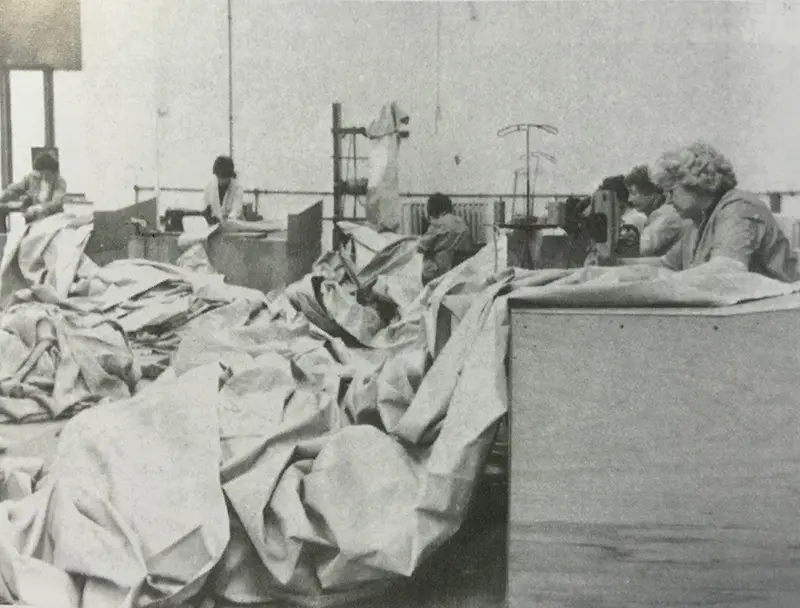
A woman called Joan Quinn started work at Speedings in Whickham Street, Monkwearmouth when she left school. She worked on the factory floor making fenders, which are plastic cylinder tyre pieces of rope matting, hung over the ships side to protect it from the impact. Flag making was also a part of the work that was produced at Speedings.
David Rodgers, son of William Rodgers, joined his father by working at Speedings. By this time, the main focus of the company’s work was in the maritime business with the manufacturing of canvas, life jackets, life buoys and the routine servicing of life rafts. The production of flags also continued throughout this period.
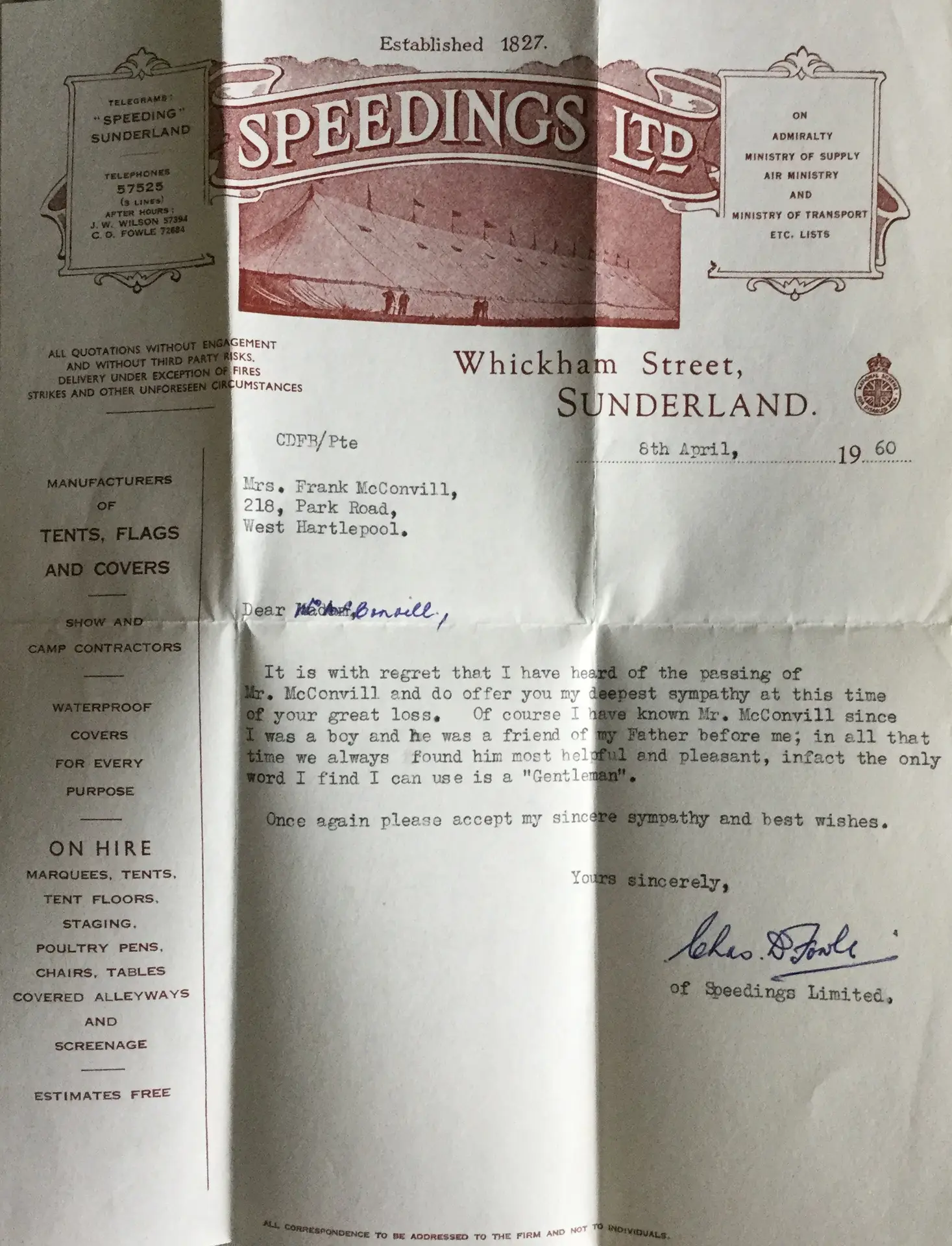
This is a letter that Speedings sent to one of it's employees wife after he passed, dated 1960. It is a very lovely letter and clear that he was very respected amongst his community.
Camper & Nicholson’s bought Speedings, running the business as part of its existing operation.
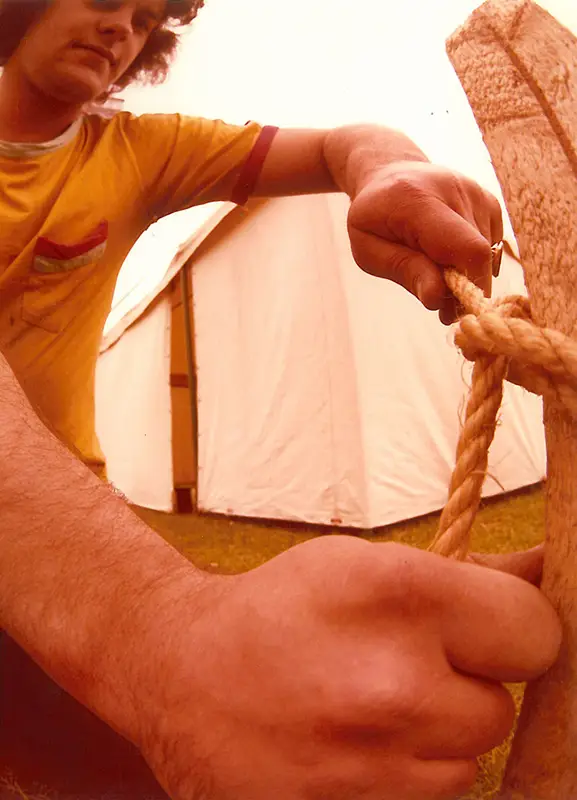
Ray McKeever is working on one of our rented tents in the right picture.
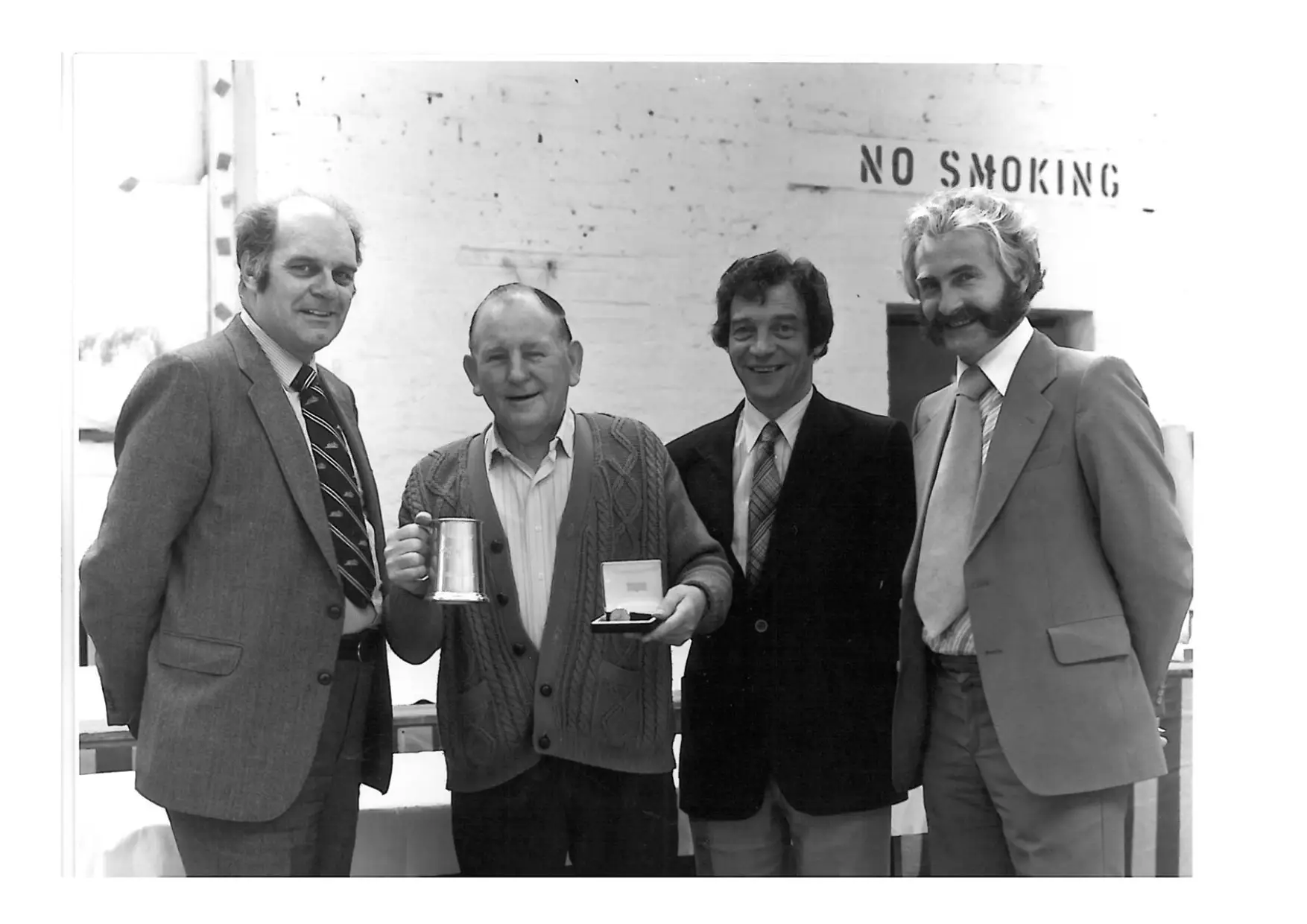
From left to right, Billy Wells, George Howes, David Rodgers and Fred Crawford.
Speedings was sold again only 6 years later. Joseph Hammal and David Rodgers became Directors of the company. Jobs were cut at this point, which made only 14 employees left working at Speedings. The main thrust of the business changed again, as the maritime arm of the business slowed down. The experience Speedings held in the use of canvas materials was adapted to begin production of items for use by the fire service with cylinder covers and salvage sheets being main items sold.
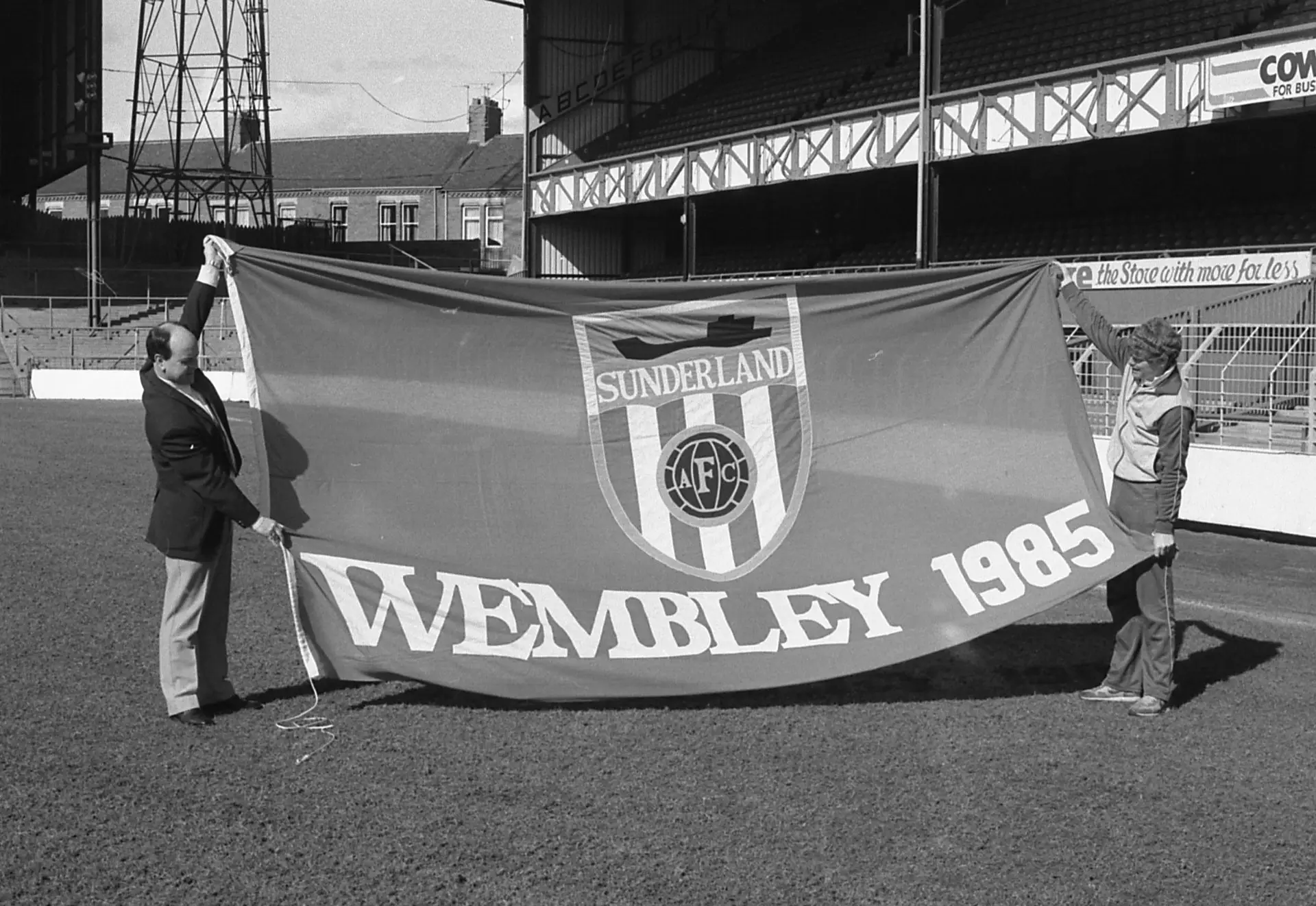
Back in 1985 when manager Len Ashurst (right) and Speeding’s director Joe Hammal were pictured with a new flag which was made just a few hundred yards from Sunderland AFC’s old ground Roker Park at the Monkwearmouth, Sunderland factory of sail and flag makers, Speeding’s. Sunderland AFC had got to the Football League Cup Final and Speeding’s won the contract to manufacture the official club flag for use on the day.
At this time, Speedings began manufacturing goods for the fire service.
Speedings began to manufacture for the Ambulance Service.
Speedings moved to Leechmere Industrial Estate, Unit 4 Queens Court Business Centre, Carrmere Road, Sunderland.
Robert Hammal took over the business from his father Joseph Hammal.
In 2012 Speedings move to a new address. 48 Carrmere Road, Sunderland, SR2 9TW
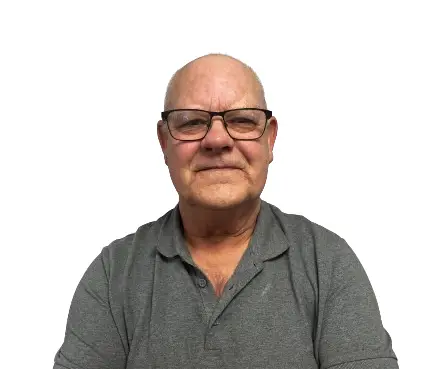
After working for Speeding’s for 49 years, Ray McKeever retired.
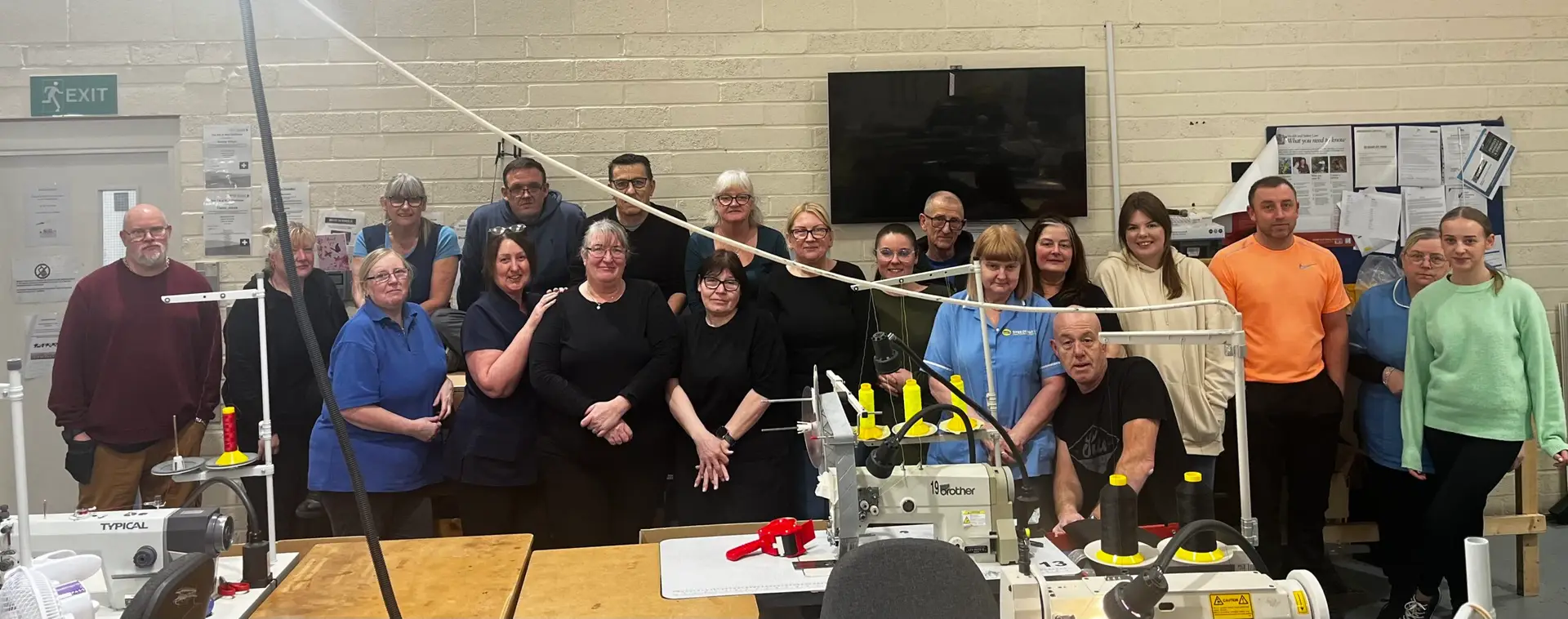
We now manufacture goods for all fire services and most ambulance services in the UK, as well as several companies around the world. Speedings currently has 30+ staff employed and we continue to expand year after year.
Speedings is one of the oldest surviving companies in Monkwearmouth, Sunderland, England. James Speeding & Co. was established as ships’ Merchants. Wearside proved the ideal location for such an enterprise at this time with its ever increasing shipbuilding and repair yards.
By this time, the firm had become well established and had taken over Whickham Street school buildings in Monkwearmouth for their businesses.
Originally Mr Thomas Speeding was a ship owner associated with Speeding Marshall and Co. of Newcastle, but in 1913 he joined the family business of James Speeding and Co. and then became Speedings Ltd.
Speedings remained a family business until this time, when the firm amalgamated with another local company called Davidson Hoseason who were well known for making and hiring tents. The outbreak of the First World War, July 28th, brought the company extra work. As well as providing goods for the Royal Navy and the Merchant Fleet, they supplied new lines such as, webbing belts made of strong woven fabric and canvas kit bags.
A Sunderland businessman, former town councillor and magistrate, Mr Thomas Speeding of Southcliffe Roker, died on Saturday June 12th, ages 81 years old. He was actively connected with the Sunderland sail tent and life belt making company of Speedings LTD, until approximately 5 years ago.
The Second World War on September 1st, brought a further increase in the output.
Mr William Rodgers became Director for Speedings.
A woman called Joan Quinn started work at Speedings in Whickham Street, Monkwearmouth when she left school. She worked on the factory floor making fenders, which are plastic cylinder tyre pieces of rope matting, hung over the ships side to protect it from the impact. Flag making was also a part of the work that was produced at Speedings.
David Rodgers, son of William Rodgers, joined his father by working at Speedings. By this time, the main focus of the company’s work was in the maritime business with the manufacturing of canvas, life jackets, life buoys and the routine servicing of life rafts. The production of flags also continued throughout this period.
This is a letter that Speedings sent to one of it's employees wife after he passed, dated 1960. It is a very lovely letter and clear that he was very respected amongst his community.
Camper & Nicholson’s bought Speedings, running the business as part of its existing operation.
Ray McKeever is working on one of our rented tents in the above picture.
From left to right, Billy Wells, George Howes, David Rodgers and Fred Crawford.
Speedings was sold again only 6 years later. Joseph Hammal and David Rodgers became Directors of the company. Jobs were cut at this point, which made only 14 employees left working at Speedings. The main thrust of the business changed again, as the maritime arm of the business slowed down. The experience Speedings held in the use of canvas materials was adapted to begin production of items for use by the fire service with cylinder covers and salvage sheets being main items sold.
Back in 1985 when manager Len Ashurst (right) and Speeding’s director Joe Hammal were pictured with a new flag which was made just a few hundred yards from Sunderland AFC’s old ground Roker Park at the Monkwearmouth, Sunderland factory of sail and flag makers, Speeding’s. Sunderland AFC had got to the Football League Cup Final and Speeding’s won the contract to manufacture the official club flag for use on the day.
At this time, Speedings began manufacturing goods for the fire service.
Speedings began to manufacture for the Ambulance Service.
Speedings moved to Leechmere Industrial Estate, Unit 4 Queens Court Business Centre, Carrmere Road, Sunderland.
Robert Hammal took over the business from his father Joseph Hammal.
In 2012 Speedings move to a new address. 48 Carrmere Road, Sunderland, SR2 9TW
After working for Speeding’s for 49 years, Ray McKeever retired.
We now manufacture goods for all fire services and most ambulance services in the UK, as well as several companies around the world. Speedings currently has 30+ staff employed and we continue to expand year after year.